Solar Panel Maintenance and Repair in New York
Solar arrays need far less maintenance than people expect, but the things that do go wrong are easy to miss without monitoring.
How much maintenance is actually needed
Solar arrays have no moving parts, which is the main reason they last so long with so little attention. For most New York homes, routine maintenance means checking the monitoring app occasionally and having the system inspected every few years. That is genuinely most of it.
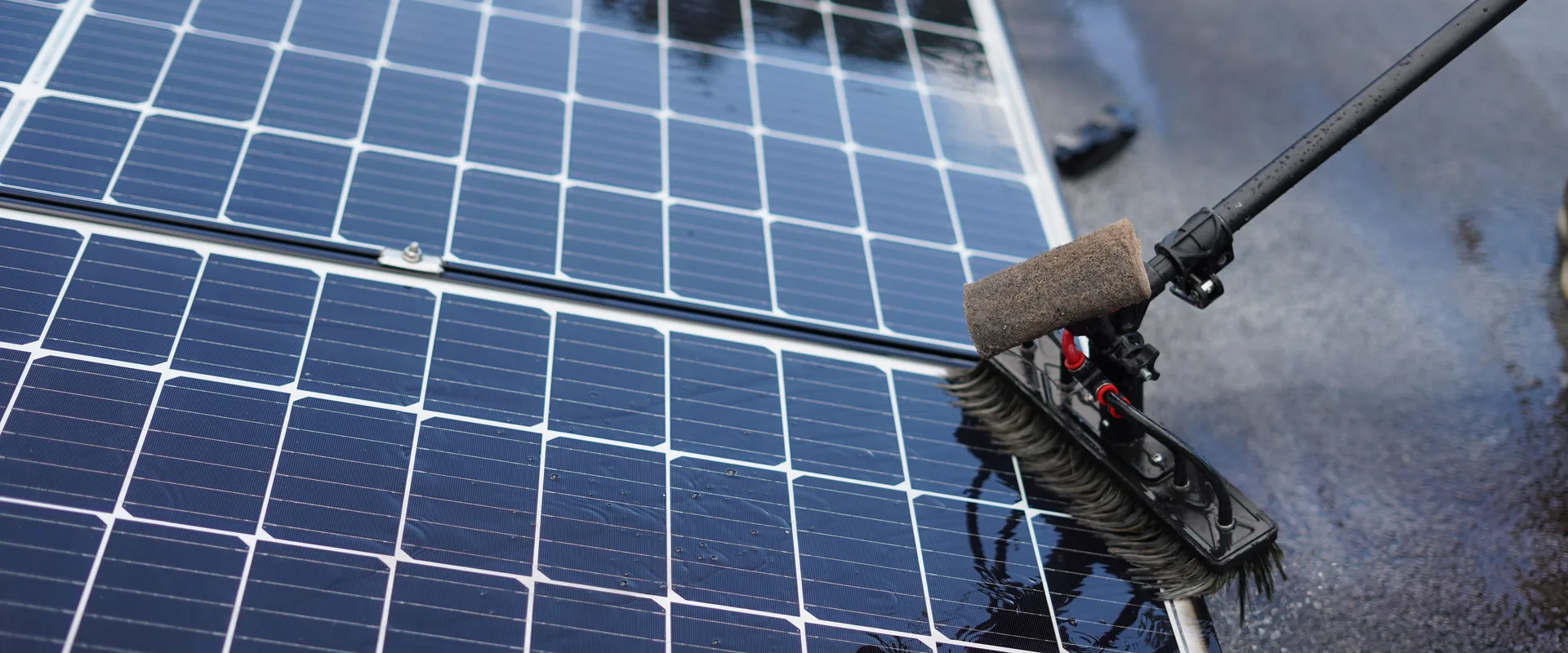
Rain does most of the cleaning in this climate. Panels in New York rarely need washing the way they do in dusty regions, and climbing on a roof to clean them is usually more risk than the small production gain justifies. The exceptions are arrays under trees that collect pollen, sap and leaves, and low pitched arrays where debris sits rather than sliding off.
What does deserve attention is the quiet failure. A single underperforming panel, a failing optimiser or an inverter fault can knock down production without anything looking wrong from the ground. Without monitoring, people commonly discover this months later on an unexpectedly high bill.
What a maintenance visit covers
- Production review. Comparing actual output against what the system was designed to produce, and against the same period in previous years. This is where problems show first.
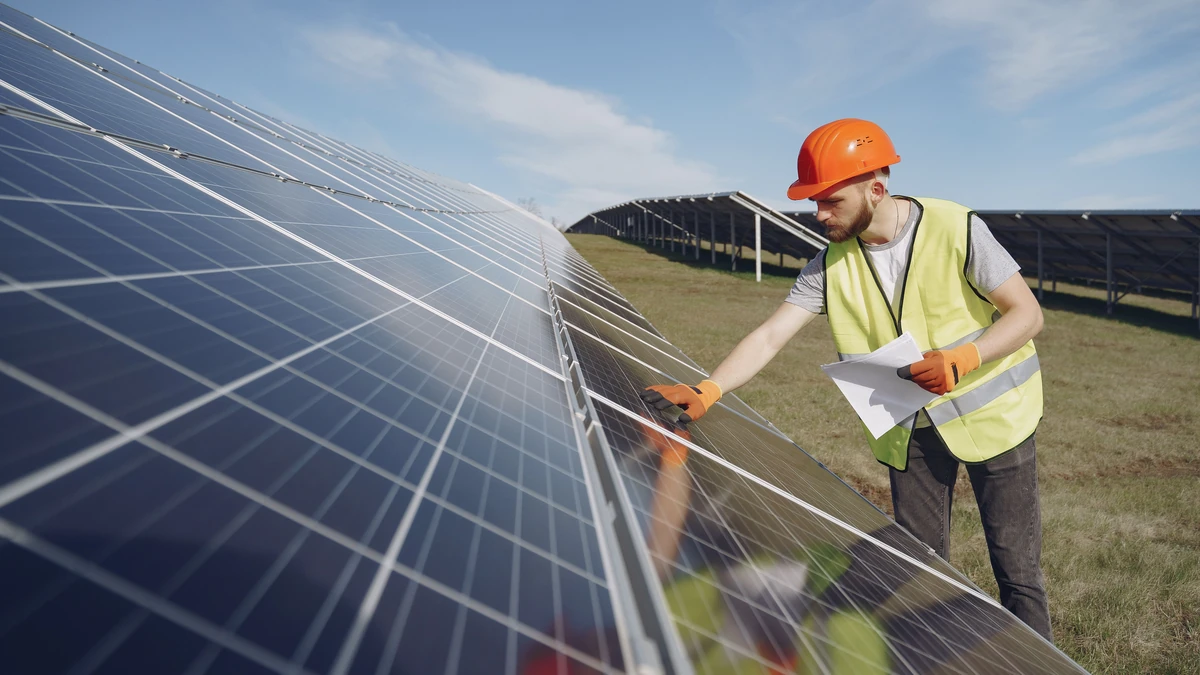
- Visual inspection. Panels for cracks, discolouration and delamination. Mounting hardware for loosening. Flashing and roof penetrations for signs of water.
- Electrical checks. Inverter status and error history, connections, conduit, and the disconnect. Loose or corroded connections are a common cause of both underperformance and fire risk.
- Cleaning where it is warranted. Removing pollen, sap, leaf litter or bird droppings where they are actually reducing output. Not as a routine annual ritual.
- Monitoring setup or repair. A surprising number of systems have monitoring that stopped reporting years ago after a router change. Restoring it is often the highest value thing a visit achieves.
Signs your system needs attention
Production is down year on year
Compare the same month against last year rather than against last month. A ten percent unexplained drop is worth investigating.
The inverter shows a fault light
Or the monitoring app is reporting errors. These are rarely self resolving.
Your electricity bill jumped without a usage change
Often the first thing a homeowner actually notices, and usually months after the fault began.
Monitoring has stopped reporting
Frequently caused by a changed wifi password or replaced router rather than a system fault, but it leaves you blind either way.
Visible damage after a storm
Cracked glass, lifted panels or displaced flashing should be looked at promptly, particularly before winter.
Three steps, and you can stop at any of them
Tell us about your property
Your address, roughly what you pay for electricity, and your roof type. It takes about a minute, and every question beyond the basics is optional.
We refer you to one installer
One company that works in your county and knows your utility's interconnection process. Not a lead pool, and not six companies calling you.
Free consultation and a written proposal
They assess your roof, your usage and your utility, then put numbers on paper. No obligation at any point, and no payment is ever taken through this site.
How to check any solar contractor
This is a new site with no customer reviews, so we are not going to show you any. What we can do is tell you exactly what to verify about whoever contacts you, and where to look it up. That applies to the installer we refer you to and to every other quote you get.
NABCEP certification
The North American Board of Certified Energy Practitioners is the industry standard credential for solar installers. It certifies the individual professional who holds it, not the company, so a firm advertising it may have one certified person and twenty who are not.
How to check. Ask which named individual holds it, then search that name in the directory.
Search the NABCEP directoryNYSERDA participation
Registration in the state's NY-Sun programme. This one is not a nice to have: the New York State incentive is only available through an approved contractor, so using an unregistered installer forfeits it. Some also hold the Quality Solar Installer designation, which requires at least 12 NY-Sun projects in the past year and an average of 4 out of 5 on NYSERDA's own field inspections.
How to check. Search the company name in NYSERDA's list before you sign anything.
Check NYSERDA's contractor listLicensing and insurance
Appropriate electrical licensing for the work, plus general liability and workers compensation cover. A contractor without workers compensation can leave you personally exposed if someone is injured on your roof.
How to check. Ask for certificates of insurance naming you, and check the licence with your town or county before work starts. Do not accept a policy number alone.
Local experience
Interconnection is where most New York solar timelines slip, and it is handled very differently by Con Edison, National Grid, NYSEG, RG&E and PSEG Long Island. Permitting varies again by town.
How to check. Ask how many systems they have energised on your specific utility in the past year, and for two addresses in your county you can drive past.
NY Solar Finder is operated by RBR Growth Consulting. We are not a solar installer, we hold no industry certification, and we do not guarantee the credentials of the company that contacts you. We name these standards, and link to the bodies that issue them, so that you can check that company yourself before you sign anything.
Questions we get asked about this
Generally no, and attempting it is a good way to damage panels or fall off a roof. Tilted panels are dark and smooth, so on a reasonable pitch snow typically slides off within a day or two as the surface warms. Annual production estimates already account for winter losses.
Every three to five years is reasonable for most residential systems, plus whenever monitoring shows something unexpected. Systems under heavy tree cover or on the coast benefit from more frequent checks.
Compare the same month against the same month last year rather than against last month. Normal degradation is gradual, in the region of half a percent a year, and invisible month to month. A drop of ten percent or more against the same period last year is not ageing, it is a failure, and it is worth investigating rather than accepting.
The inverter. Panels routinely outlast their warranty, but inverters are electronics with a shorter service life and are commonly replaced once during the system's life. Budgeting for that is sensible rather than pessimistic.
This is common in solar and worth knowing you are not stuck. Independent service companies handle orphaned systems, and manufacturer equipment warranties usually remain valid regardless of who installed it. The workmanship warranty is the part that dies with the company.
Related reading
Find out what this would look like on your property
One local installer, one free consultation, one written proposal. Your details are never sold.