Residential Solar Installation in New York
Solar makes sense in New York because of what electricity costs here, not because of how sunny it is. Here is how a residential system is actually sized, priced and installed.
Why New York homes pencil out
The value of a solar panel is the price of the electricity it stops you buying. New York has some of the highest residential electricity rates in the country, which means every kilowatt hour your roof produces offsets an expensive one. That is the whole argument, and it is why solar works here despite the winters.
Sunshine matters less than people assume. Germany sits at roughly the latitude of upstate New York and installs more solar per person than the United States. Panels are also slightly more efficient in cold weather, so a bright February day is a genuinely productive one.
What actually decides whether solar works on your house is more specific: which direction your roof faces, how much shade it gets, how old the shingles are, and how much electricity you use. A good installer will look at all four before quoting.
What a residential installation includes
- Site assessment and system design. Roof measurement, shading analysis and a production estimate based on your actual past usage rather than a generic average.
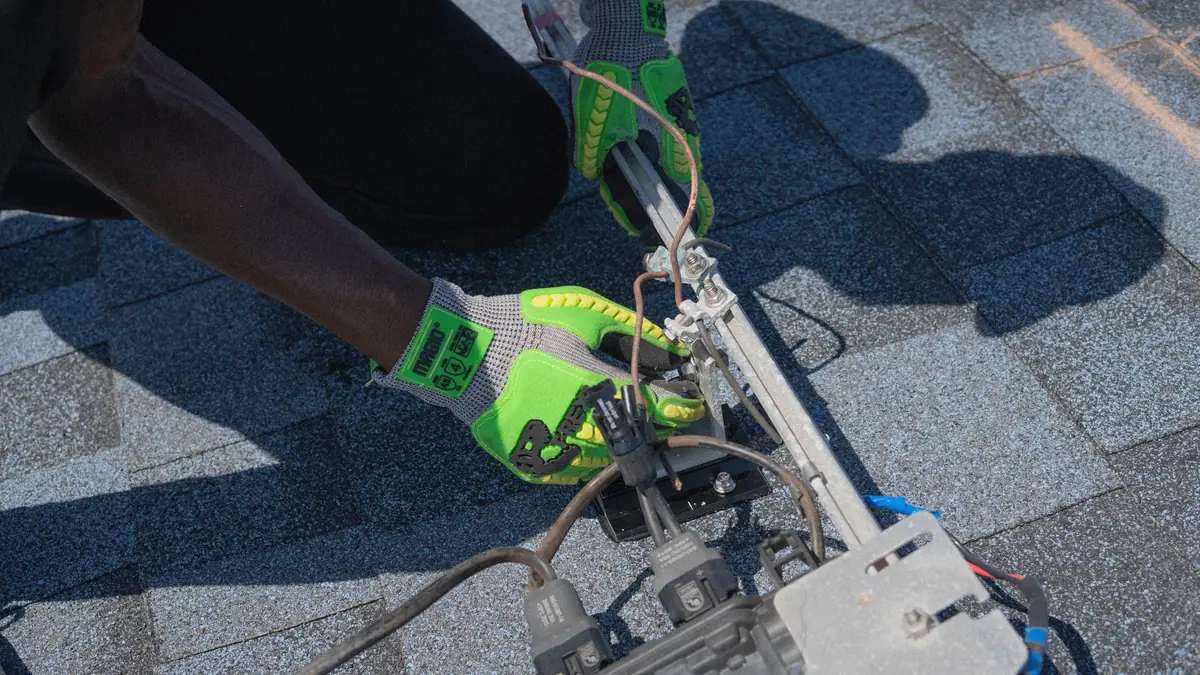
- Panels, inverter and racking. The panels themselves, the inverter that converts DC to the AC your house uses, and the mounting hardware that attaches it all to your roof.
- Permits and interconnection. Town or city building permits, electrical permits, and the interconnection application to your utility. The installer handles this, and it is a large part of what you pay for.
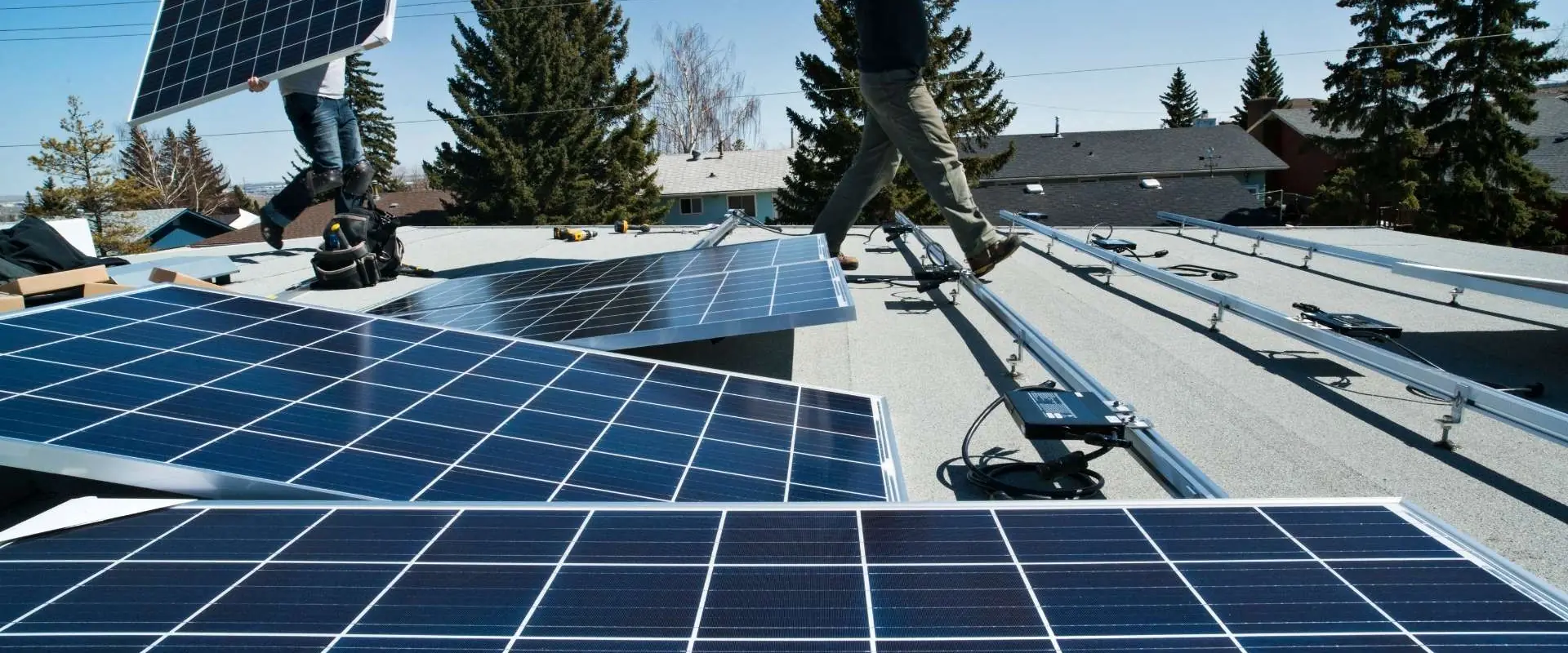
- Installation and inspection. The install itself is typically a single day on a normal home, longer for larger or more complex roofs, followed by municipal inspection and utility sign off before the system is switched on.
- Monitoring and warranty. A monitoring app so you can see production, commonly Enphase Enlighten where microinverters are used, plus the manufacturer warranty on equipment and the installer's own workmanship warranty. These are two different things and worth reading separately.
What changes your quote
Roof direction and pitch
South facing is best in New York. East and west facing roofs still work and are very common, they simply produce somewhat less over a year.
Shade
A single tree in the wrong place can materially cut production. Some of it can be engineered around with panel level electronics, which adds cost.
Roof age and condition
If your shingles have under about ten years left, most installers will tell you to reroof first. Removing and refitting an array later is expensive.
Your actual electricity usage
A system is sized to your consumption. Bring twelve months of bills to the consultation, because that single document changes the design more than anything else.
Electrical panel capacity
Older homes sometimes need a service upgrade before solar can be connected. It is worth asking early, since it is a real cost that some quotes leave out.
Three steps, and you can stop at any of them
Tell us about your property
Your address, roughly what you pay for electricity, and your roof type. It takes about a minute, and every question beyond the basics is optional.
We refer you to one installer
One company that works in your county and knows your utility's interconnection process. Not a lead pool, and not six companies calling you.
Free consultation and a written proposal
They assess your roof, your usage and your utility, then put numbers on paper. No obligation at any point, and no payment is ever taken through this site.
How to check any solar contractor
This is a new site with no customer reviews, so we are not going to show you any. What we can do is tell you exactly what to verify about whoever contacts you, and where to look it up. That applies to the installer we refer you to and to every other quote you get.
NABCEP certification
The North American Board of Certified Energy Practitioners is the industry standard credential for solar installers. It certifies the individual professional who holds it, not the company, so a firm advertising it may have one certified person and twenty who are not.
How to check. Ask which named individual holds it, then search that name in the directory.
Search the NABCEP directoryNYSERDA participation
Registration in the state's NY-Sun programme. This one is not a nice to have: the New York State incentive is only available through an approved contractor, so using an unregistered installer forfeits it. Some also hold the Quality Solar Installer designation, which requires at least 12 NY-Sun projects in the past year and an average of 4 out of 5 on NYSERDA's own field inspections.
How to check. Search the company name in NYSERDA's list before you sign anything.
Check NYSERDA's contractor listLicensing and insurance
Appropriate electrical licensing for the work, plus general liability and workers compensation cover. A contractor without workers compensation can leave you personally exposed if someone is injured on your roof.
How to check. Ask for certificates of insurance naming you, and check the licence with your town or county before work starts. Do not accept a policy number alone.
Local experience
Interconnection is where most New York solar timelines slip, and it is handled very differently by Con Edison, National Grid, NYSEG, RG&E and PSEG Long Island. Permitting varies again by town.
How to check. Ask how many systems they have energised on your specific utility in the past year, and for two addresses in your county you can drive past.
NY Solar Finder is operated by RBR Growth Consulting. We are not a solar installer, we hold no industry certification, and we do not guarantee the credentials of the company that contacts you. We name these standards, and link to the bodies that issue them, so that you can check that company yourself before you sign anything.
Questions we get asked about this
The installation itself is typically a single day on a normal home. The overall timeline from signing to switch on is usually longer, commonly two to four months, because permitting and utility interconnection sit in the middle and neither is under the installer's control.
Only if it is near the end of its life. Panels last around 25 years and removing an array to reroof underneath costs real money, so if your shingles have under about ten years left it is usually cheaper to do the roof first. A good installer will raise this themselves rather than wait for you to ask.
You draw from the grid as normal. Under net metering, the excess your system exports on sunny days earns credits that offset what you pull back at night. Solar alone does not keep your lights on during an outage, that requires battery storage.
A correctly installed array should not. Mounts are sealed and flashed into the roof structure. Leaks almost always come from poor workmanship rather than from the concept, which is why the installer's workmanship warranty matters as much as the panel warranty.
It depends on system size, roof complexity and equipment, so any single figure quoted before someone has looked at your roof is guesswork. What is worth understanding before you get a quote is how the price is built up and which New York incentives come off it.
Related reading
Find out what this would look like on your property
One local installer, one free consultation, one written proposal. Your details are never sold.